

A March 2026 episode of the War on Cars podcast, highlighted a study in which 40% of Americans reported an interest in car-free living. In other words, nearly half of all residents in the most car-centric country in the world want less reliance on cars.
I’m one of them.
I live in an urban setting, and my house is directly on a public bus line. I genuinely love biking and walking. However, I still rely on my car for my everyday errands.
I love living in Pittsburgh, but this city was built for a version of society that assumes everyone owns a car. That assumption, coupled with the Appalachian topography and glaring gaps in public transit infrastructure, means that it’s nearly impossible to thrive here without access to a personal vehicle.
Plus, the few neighborhoods that are dense and dynamic enough to enable car-free living are way out of my budget.

Paul McCartney, a public transpo king.
So I do what a lot of car-dependent Americans do: I hope. I advocate for better pedestrian infrastructure. I donate to reform groups like Bike PGH. I take vacations that let me live completely car-free, even if just for a weekend.
This post is for people like me: The 40% of Americans who can’t ditch their car today but are curious about what a different kind of life could unlock. Maybe, after your car-free vacation, you’ll return home a little more convinced that freedom from cars is worth building toward on a nationwide scale.
To keep this topic close to home, I’ve outlined the specific details I look for when planning a car-free vacation within North America. Just know, however, that most people in other developed nations live safe and seamless lives without reliance on a personal vehicle.
1. The “15-Minute City” Layout
This urban design principle allows residents to access their home, work, education, health care, essential shopping, and socializing all within a 15-minute walk or bike ride.
Spoiler: This is the common thread connecting every European city you’ve fallen in love with.
When I plan car-free vacations, I’m essentially looking for a temporary version of this concept. I opt for a home base, whether that’s my hotel, Airbnb, or hostel, in a neighborhood that’s dense enough to explore and engage with on foot. In other words: Mixed-use neighborhoods.
I avoid neighborhoods near highway interchanges or convention centers because these areas are usually surrounded by seas of parking lots.
Google Maps is a powerful resource for finding walkable neighborhood pockets within any city. However, this blog outlines some of the best 15-minute cities in North America.
2. Convenient Public Transit To and From The Airport
This may seem like a no-brainer to my European readers, but it is actually quite rare in North America.
Too many cities in my home country funnel arriving travelers directly into a rental car or a $60 rideshare. In The States, we treat cars as the default from the moment you land.
The good news is that options are growing. Seattle and Minneapolis both offer affordable Light Rail trains with direct lines between the airport and multiple downtown neighborhoods. Toronto’s UP Express Rail transports you from the international airport to Union Station in about 25 minutes. Montreal’s express bus from the airport to downtown runs 24 hours a day and costs around $12.
When I’m hunting for a car-free destination, one of my first searches is simply: [city name] airport public transit. If the answer is a routine, reliable, and reasonably-priced metro or bus line, my eyes light up.
3. The Joy of Slow Exploration

Stumbled upon this adorable secondhand bookstore in San Francisco.
The best cities make the walk just as enjoyable as the destination.
If well-designed for people, a city will be dotted with cute shops, welcoming alleyways, dynamic street art, and comfortable places to sit between your starting and ending points.
I also look for dense concentrations of museums, live music venues, independent coffee shops, bookstores, and local markets all within a reasonable radius of each other. I regions with farmers markets, annual street festivals, and public plazas are another bonuc because these places often host multiple free events throughout the year.
4. Robust Public Park Systems
A city’s public park infrastructure tells you a lot about how it treats people.
I look for destinations with an interconnected network of parks, greenways, or biking trails because this tells me that the city welcomes pedestrians rather than prioritizing cars.
Ideally, the parks are connected by protected bike paths so you can get from one end of the city to another without ever touching a road. Cities like Minneapolis are a great example. When I spent a weekend there, I took full advantage of the public parks and paved trails along the river, which made cycling a genuinely pleasant way to get around the city.
5. High Safety Scores
If I’m traveling car-free, I will likely be walking around at night. So safety is a top priority.
I look at metrics like a city’s overall walkability scores, established pedestrian infrastructure, and neighborhood-level safety data. Again, these factors are easy to Google.
Well-lit streets and sidewalks, as well as mixed-use zoning all contribute to an environment that feels safe on foot. Neighborhoods where street life continues into the evening, where restaurants, bars, and corner stores keep their lights on late, also tend to be safer because more eyes are on the street at all hours of the day.
My Favorite North American Cities for Car-Free Travel
I’ve traveled to all of the cities on this list without a car, and each one taught me something different about what a walkable, public transit-connected life can look like. These cities range from dense metropolises to small- and mid-sized options that simply made better infrastructure choices.
Here’s proof that car-free travel in North America is possible.
Charleston, South Carolina
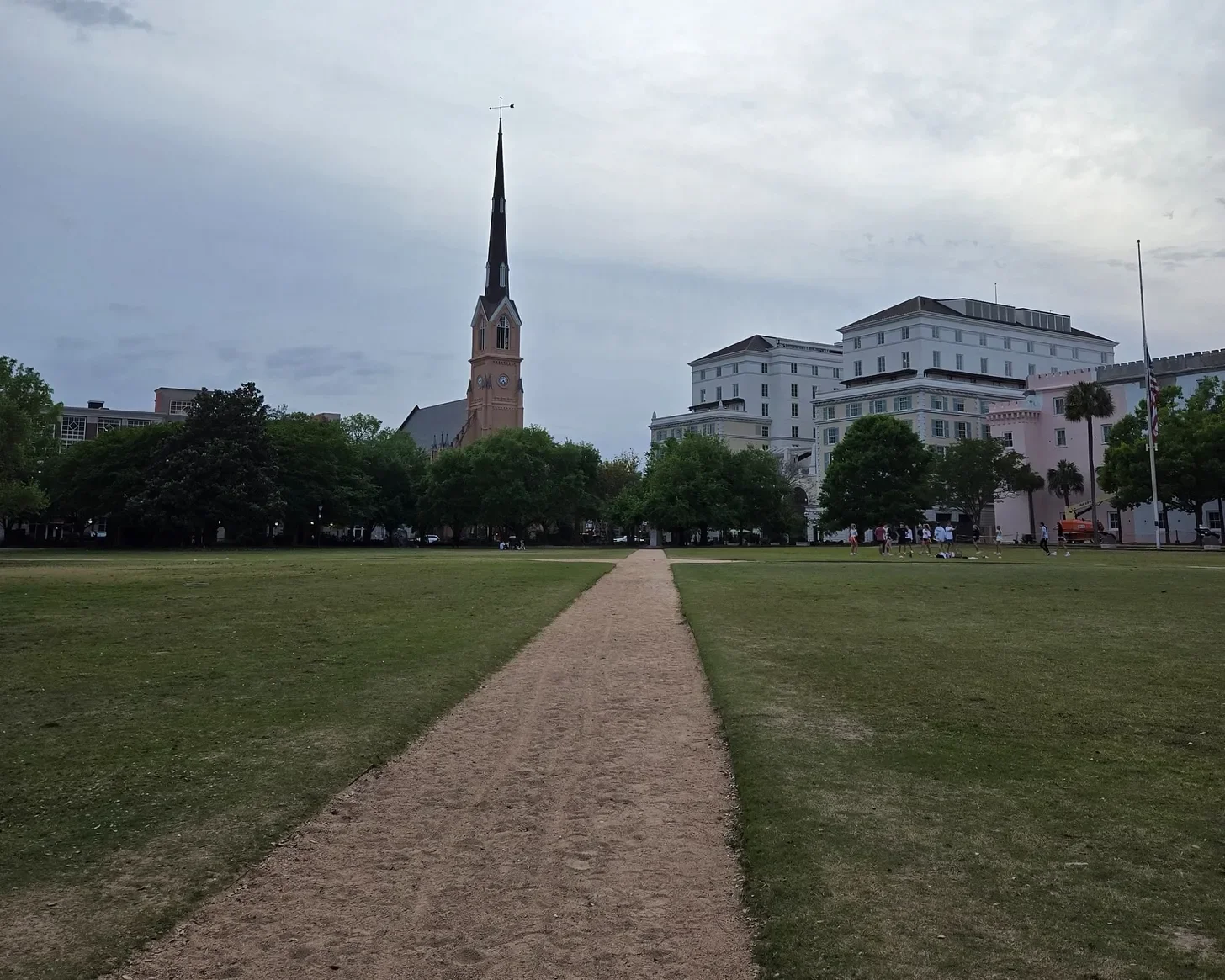
Marion Square is one of more than 1,400 historically-significant sites within the Charleston Old and Historic District.
Charleston is the smallest city on this list but is one of the best car-free destinations in the American South. The peninsula is extraordinarily walkable and loaded with history.
The French Quarter, King Street, and the Battery are densely packed with restaurants, boutiques, historic sites, and antebellum architecture. CARTA, which is the local bus system, runs along the whole peninsula.
During my visit, it was clear that the city has been invested in expanding its bike infrastructure. What Charleston lacks in subway / train infrastructure it makes up for in sheer walkability within its historic core. This city has been thriving since before automobiles ravaged The States, and it shows.
Minneapolis, Minnesota
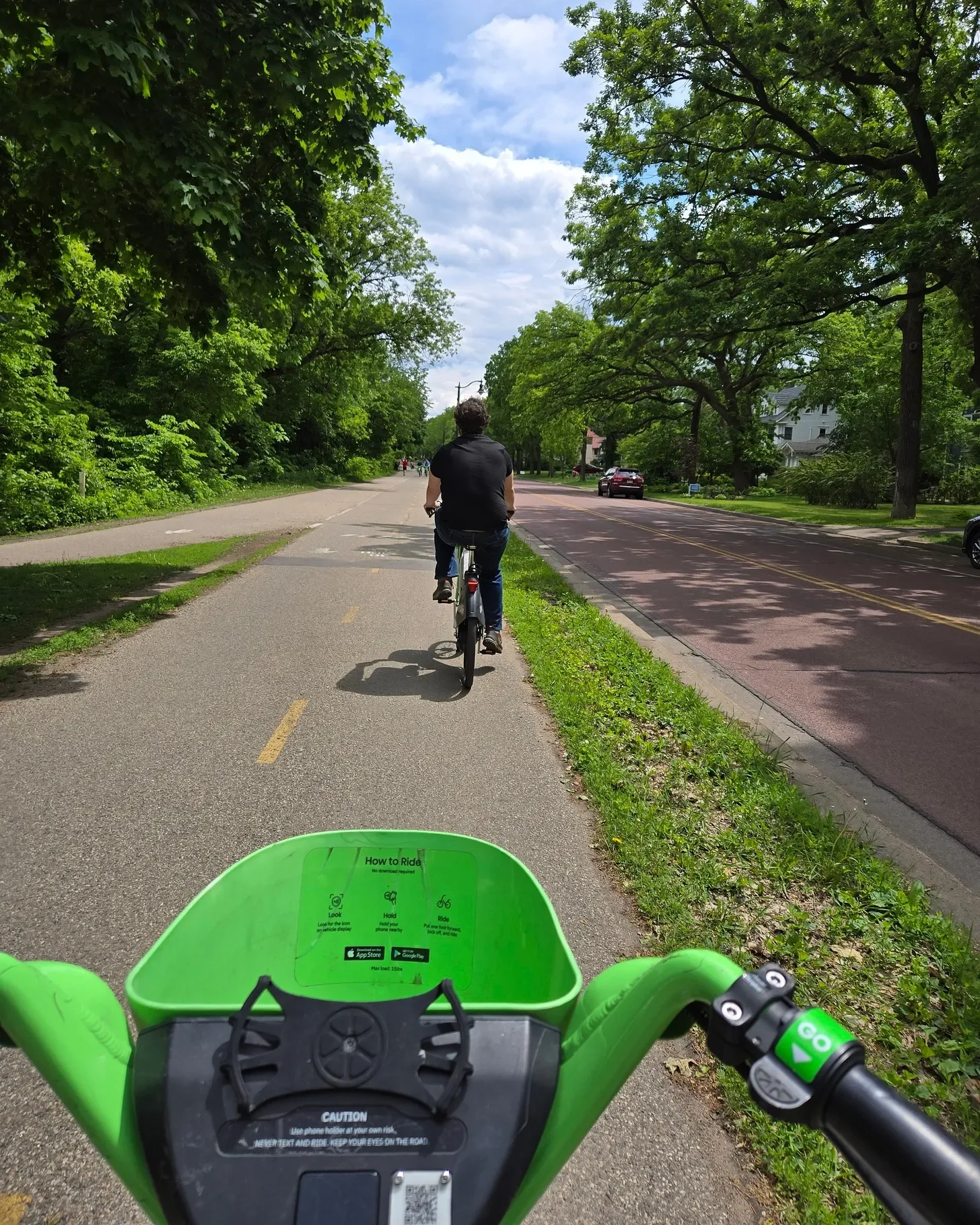
The bike path along West River Parkway, paved and mostly flat, takes you from the University to the Minnehaha waterfall.
Minneapolis surprises people.
Though in the center of the car-centric Midwest, this city has one of the most ambitious cycling infrastructure networks in the United States. You’ll find protected lanes woven throughout the city as well as a skyway system that connects more than 80 blocks of downtown in an enclosed, weather-protected pedestrian network.
The Blue Line Light Rail connects the airport to downtown and continues all the way out to Mall of America. Plus, you can take another Light Rail route all the way to St. Paul for a true Twin Cities experience.
The chain of lakes surrounding the city is linked by paved trails that make for stunning car-free exploration. According to Park Score, 99% of Minneapolis residents live within a 10-minute walk of a park, regardless of income.
Montreal, Quebec
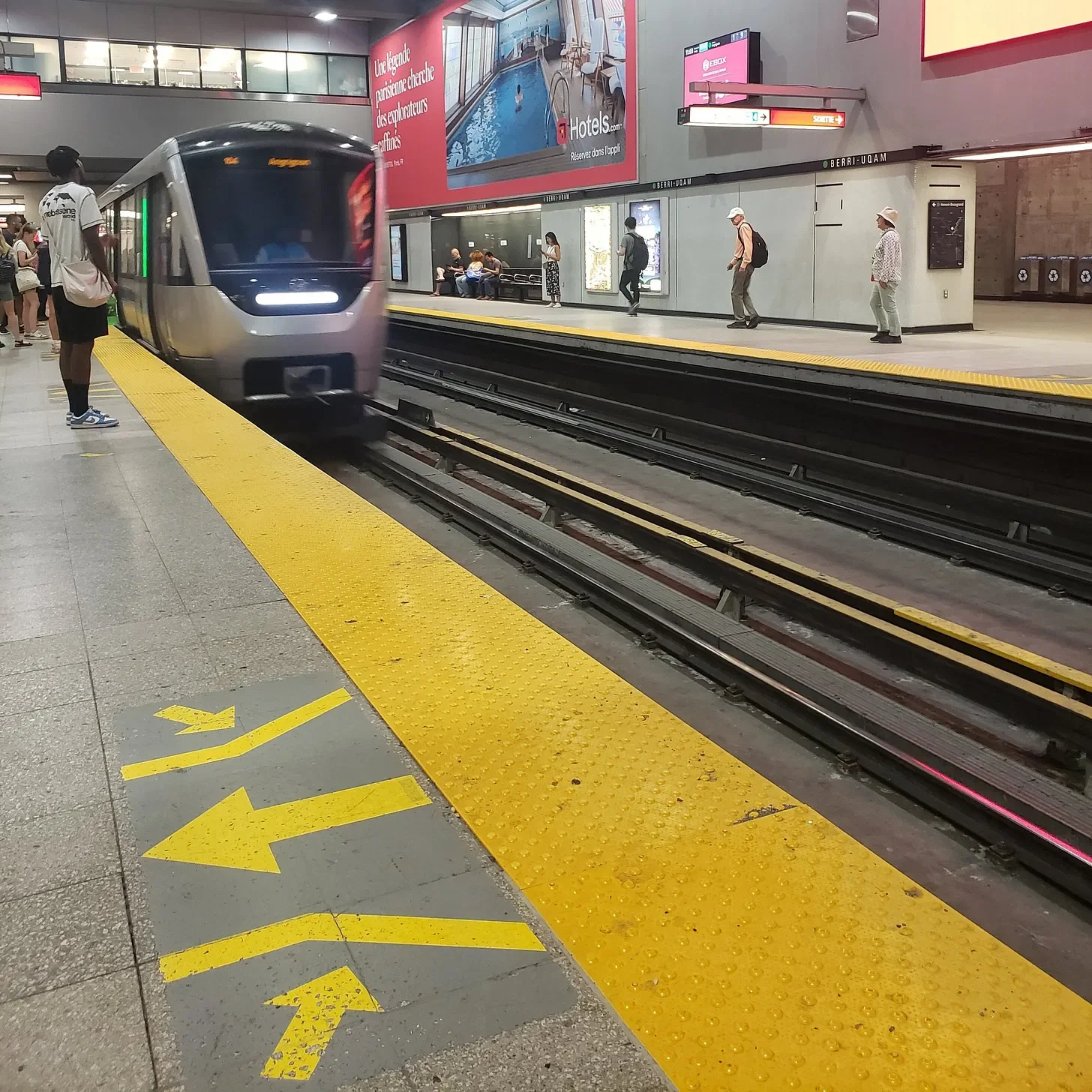
Montreal is my favorite city in Canada. It is also the closest thing to a European travel experience you’ll find in North America. I grew up visiting relatives here and have traveled to Montreal many times as an adult.
The STM metro system is clean, consistent, and conveniently connected to an extensive bus network. The underground city (RÉSO) is a climate-controlled pedestrian network beneath downtown that spans more than 30 kilometers. This infrastructure is a genuine luxury in Canadian winters.
The Plateau, Mile End, and Old Montreal neighborhoods are great options for setting up your home base. Each is densely packed with cafés, restaurants, galleries, and parks, all within easy walking distance of each other. You can even stay across the river in Longueuil and take the metro directly into Old Montreal.
Montreal also regularly ranks among the safest large cities in North America.
New York City
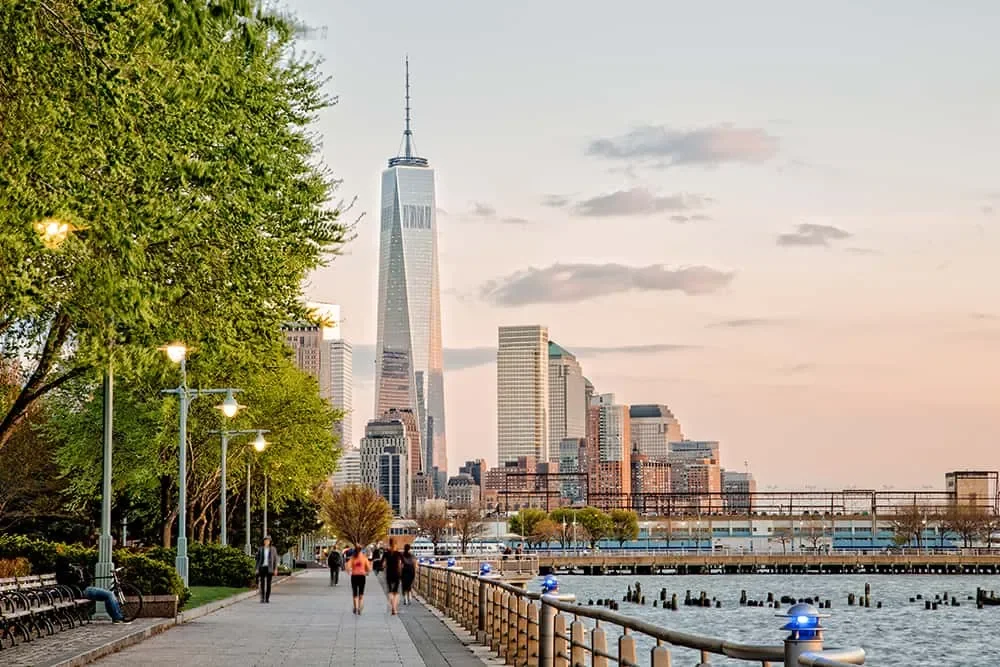
Photo courtesy of GetYourGuide.
This one doesn’t need much explaining. New York is the prime example of American car-free living.
The subway runs 24 hours, and the ferry to Staten Island is free. You can also take trains from Manhattan to the eastern tip of Suffolk County on Long Island.
The density of New York’s neighborhoods, each with its own character, cuisine, and energy, means you could spend two weeks in New York and never walk down the same street twice.
Seattle, Washington

The SeaTac Light Rail is a direct line from the airport to downtown Seattle.
Seattle punches above its weight in terms of West Coast, car-free living.
The Link Light Rail connects the airport to downtown, Capitol Hill, the University District, and beyond on one direct line. Streetcars and an extensive bus network fill in the gaps pretty well.
Pike Place Market, the waterfront, Capitol Hill, and Fremont are all walkable options to set up your home base.
Plus, the ferry system gives you access to the Olympic Peninsula and Puget Sound islands, which offer some of the most stunning scenery in the country. The most challenging part about navigating Seattle on foot is the weather but, with a raincoat and some Dr. Martens, you’ll fit right in with the locals!
Toronto, Ontario
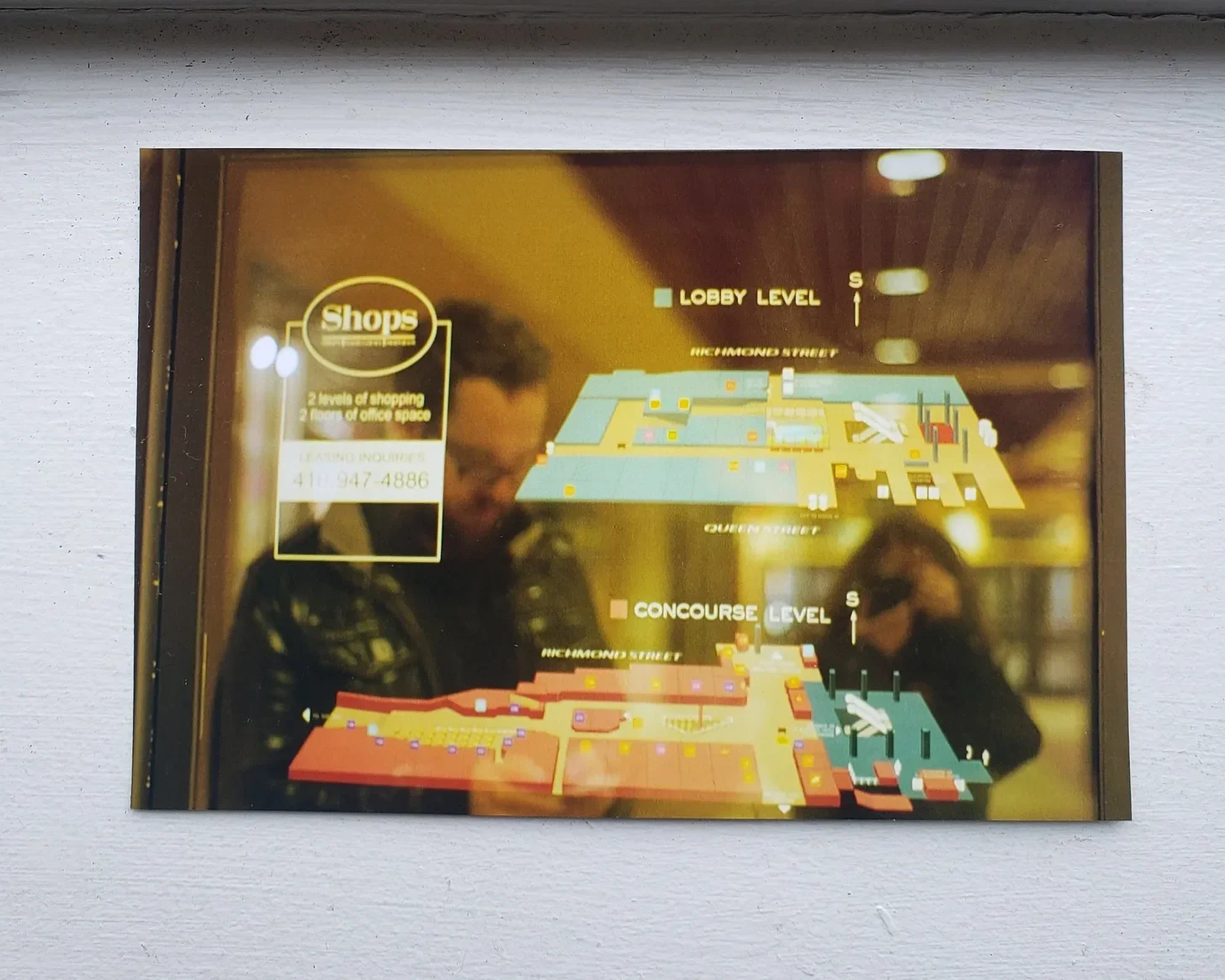
The PATH network is a 30k underground pedestrian walkway beneath downtown Toronto.
Toronto’s TTC light rail / metro is one of the most comprehensive public transit systems in North America. The subway, streetcars, and bus routes create a dense grid that makes car-free navigation easier than driving. The PATH network is another 30-kilometer underground pedestrian walkway that rivals Montreal’s RÉSO.
Neighborhoods like Kensington Market, Queen West, the Distillery District, and Chinatown are each their own self-contained ecosystems, perfect for booking accommodation.
Union Station has direct rail and bus connections to the rest of the province. For an American tourist, Toronto often functions as an unexpected reminder of what North American urbanism could look like. The city is dense, walkable, and functional.
Final Thoughts
A week in Montreal or New York does what no amount of podcast-listening or urban planning Reddit threads can: It makes car-free living tangible.
In any of these cities, you can walk to a street market, take a streamlined train across counties, bike alongside stunning nature, and at some point realize that you haven’t thought about your car in days.
Car-free infrastructure is a benefit worth chasing. It enables autonomy regardless of your finances. It is better for our health and the health of the planet. It puts us face-to-face with the people who live alongside us, connecting us all on a deeper and more-human level.
The more of us who recognize the opportunities of car-free life, who spend our hard-earned dollars in cities built for people rather than vehicles, the more we signal what we actually want from our own cities.
To learn more about the possibilities and practical implementation of car-free living in North America, check out the War on Cars podcast.
Enjoyed this post? There's a whole lot more waiting for you!
Subscribe to my Substack for travel tips, inspirational essays, ethical travel takes, and real talk about freelancing finances, all delivered straight to your inbox.
No spam. Just stories.