
10 Travel Tips to Prep For Your Italian Vacation
Introduction
Last month, I completed a 1-week adventure through three iconic Italian cities.
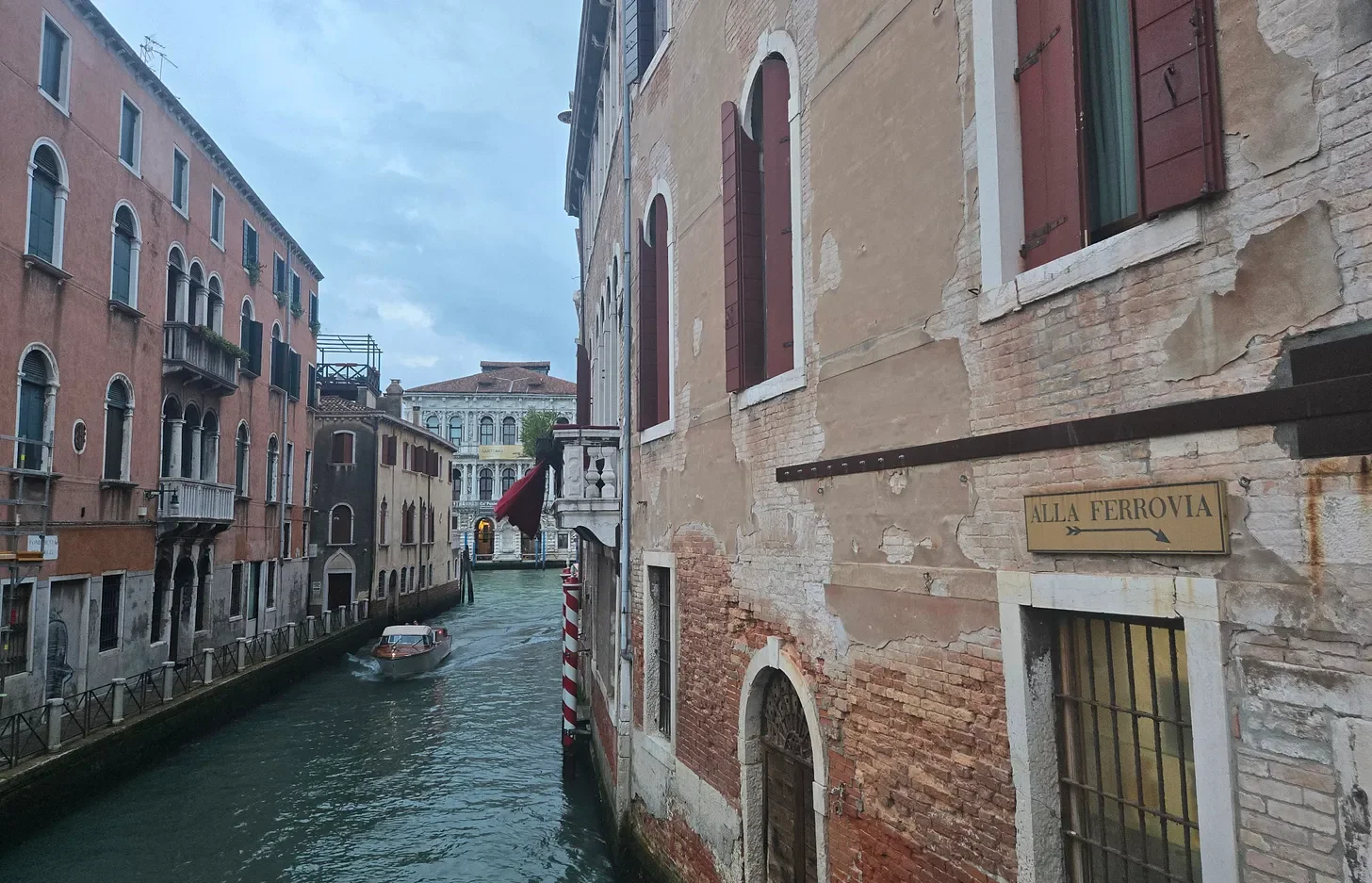
I indulged in the carbonara dinners of Rome, the iconic museums of Florence, and the canal views of Venice. I’ll be sharing more detailed itineraries for each of these cities in future posts. For now, I want to outline the most valuable insights I took away from the logistics of this trip.
Italy is a dynamic and fast-paced destination, with some unique considerations for tourists. Here are my top 10 suggestions for how you can make your visit as enjoyable as possible.
Leave Checked Luggage At Home
Italy is beautiful, and it’s beautiful because of its cobblestone streets, adorable alleyways, and apartment balconies. All that beauty quickly translates to difficulty, though, when you have to lug huge roller suitcases through crowded piazzas and up four flights of stairs.
I am a firm believer in carry-on only travel so I’ve optimized my packing method to be as minimal as possible. Still, my lightweight carry-on suitcase was a major pain during this trip. If you’re able to, I highly recommend sticking to a backpacking pack. Not only does this setup make it easier to maneuver the crowded streets and walk-up apartments, but it means that you will always have space for your luggage on trains and in taxis. If you need your roller suitcase, opt for the carry-on size instead of a larger checked one.
Trust me, the extra outfits are not worth the trouble.
Prepare for Crowds
I visited Italy in the shoulder season. Even though the height of summer tourism was over, every destination was still very crowded.
Beyond the tourists, Italy is the third-most populated country in the European Union, with nearly 59 million residents.
You will rarely find a wide open space all to yourself. So mentally prepare to rub shoulders with strangers and try to embrace the opportunity for connection. This sense of community is one of the most enjoyable elements of visiting Italy. But it does require an intentional shift away from the individualistic mentality of the United States.
Opt For Train Travel
Italian drivers are fast and fearless, so driving a car is not for the faint of heart.
Plus, the country is quite large. For context, it would take 15 hours of non-stop driving to get from Milan in the North to Palermo in the South.
Instead, opt for train travel to take advantage of the extensive railway network. You can choose from high-speed trains called freccie, which translates to arrows, as well as intercity trains and regional trains. Trenitalia, which is Italy’s state-run train operator, offers all three train options. In my experience, the trains are frequent, convenient, and tend to run on time. However, for high-speed trains, I highly recommend booking your tickets in advance because they are subject to sell out.
Validate Your Train Tickets
I bought all my train tickets online or through the Trenitalia app. As such, my tickets were automatically validated.
If you buy a physical ticket at the train station, you will need to validate that ticket at one of the little machines on the train platform. This rule applies to all journeys, regardless of what type of train you’re taking.
You risk serious fines if you don’t validate your ticket. I sat across from a woman who received a €100 fine because she had an invalidated ticket. For more information on train tickets, check out the ItaliaRail blog.
Wear Comfortable Shoes
You could argue this tip applies to every destination. But I really mean it here.
It is impossible to avoid the stairs, bridges, cobblestones, and dramatic inclines of Italy. Challenging terrain (and tourists falling down) was the backdrop of every city I visited.
Most Italian locals wear tennis shoes or elevated flats like loafers so you will fit right in.
Start Every Interaction With a Greeting
In American culture, it is common to start an interaction by saying “Excuse me”. In Italy, this comes off as rude. I encourage you to approach a person, whether it’s the barista or a stranger you need to ask for directions, with a greeting.
I speak beginner Italian and found that locals really appreciated me stopping to greet them before diving into whatever request I had. Here are the 4 basic Italian greetings:
Ciao (translates to hello or goodbye, depending on the context)
Buongiorno (good morning)
Buon pomeriggio (good afternoon)
Buonasera (good evening)
Com’e stai (How are you?)
Learn Basic Italian Phrases
On that note, a repertoire of basic Italian phrases goes a long way in separating you from the hoards of other tourists.
I’m still very much a Level 1 or 2 Italian speaker, but my minimal knowledge was a huge help. It even secured me a discount on some souvenirs! Valuable Italian words and phrases, in my opinion, are:
Posso avere… (Can I have…)
Quando si apri? / Quando si chuide? (When does it open? / When does it close?)
Ho bisognio aiuto, per favore. (I need help, please.)
Scusa, parla inglese? (Excuse me, do you speak English?)
Il conto, per favore (The bill/check, please.)
Dov’e il bagno? (Where is the bathroom?)
Embrace the “Inefficiencies”
In North America, we prioritize speed and efficiency above all else. With this perspective, Italy can feel like a country full of inefficiencies, but that isn’t fair. Italians are not “inefficient,” per-say, they simply operate under a different set of priorities.
For example, I was checking into my hotel in Rome, and there was a line of about 15 people. Instead of rushing to clear his queue, the concierge spent about 10 extra minutes talking and laughing with an Italian couple checking in at the counter. This delay wasn’t because the concierge was lazy or rude. He was simply engaging in a connection.
Italians value these moments of connection. They value community. They also value working hard and getting the job done, but will not sacrifice their bigger priorities for the sake of meeting a quota. You will have to embrace this, and practice patience, because Italians will not change their way of being for you.
Don’t Pay For Water
When dining out, you will have to pay for a whole bottle if you request water with your meal. You will get the choice between still or sparkling water, though the prices are roughly the same.
Instead of buying water from the restaurant, bring your own reusable bottle.
The tap water in Italy is safe to drink (and very tasty). Plus, Rome has more than 2,500 nasoni (drinking fountains), which are completely free to use.
Understand the Dining Discrepancies
Dining out is a cornerstone of Italian culture. In every city, you will see groups big and small dining out on streets or cramming into small osterias. Of course, we dine out in North America, but in a completely different way.
In Italy, you dine slow. An evening out starts around 6 or 7 pm with an aperitivo (cocktail hour). Actual dinner tends to start around 8 or 9 pm. No matter what meal, you will likely seat yourself, unless you see a hostess stand at the entrance of the restaurant (or outdoor terrace). Once seated, you will likely not be approached by a server right away. If you need the server, you need to make eye contact with them and signal them over. When you’re ready to pay, make the universal “signing for the bill” symbol. Once you have your receipt, you will likely walk inside (or up to the counter if dining indoors) to pay for your meal.
This process isn’t because the waitstaff is lazy or inefficient. It’s simply the Italian way. The waiter doesn’t dote on you, not because they are rude, but so you and your party can have the space to review the menu and enjoy your meal in peace. The pace of the meal is slow, not because the kitchen is inefficient, but because mealtimes in Italy are centered around connection and quality time.
Conclusion
I love Italy because traveling here is about more than just checking landmarks off a list. The country encourages you to slow down, to savor the small moments, and to connect with others.
By keeping my 10 travel tips in mind, you’ll not only avoid common headaches but also give yourself the space to fully embrace il dolce far niente (the sweetness of doing nothing).
So pack your carry-on (and a comfortable pair of shoes), go with the Italian flow, and let this country work its timeless charm on you.
Buon viaggio!